


MapleStory : Idle RPG
4.42.94K Reviews
App Specs
- Version
- 1.14.0
- Updated On
- License
- Free
- Downloads
- 1,000,000+
- Developer
- NEXON Company
- Categories
- Role Playing
- Platform
- Android, iOS
Screenshots




 Analysis by AppCompare
I tend to judge an idle RPG by how naturally it fits around the rest of my day, and MapleStory: Idle RPG has a clear appeal for short visits rather than long, uninterrupted sessions. Its familiar, cheerful world gives the routine of checking progress some personality. I’d consider it for a commute break or a quiet moment at home, but I wouldn’t treat it as a substitute for a more hands-on role-playing game.
What a shared screen changes
On a household tablet or a phone that gets passed around, this is the kind of game someone can open briefly, see how their character is doing, and then hand back without asking everyone else to follow a complicated story. That makes it easier to fit around shared screen time than a game that expects a player to concentrate through a lengthy mission. The trade-off is that an idle character’s progress belongs to the game account, not to whoever happens to be holding the device.
I’d make that distinction clear before younger players take turns. If several people want their own characters or progress, they should use separate accounts where the game supports that arrangement rather than assuming that different device users automatically get separate saves. On a shared device, I’d also agree on who is allowed to make purchase decisions. That simple conversation matters more here than taking turns tapping through battles, because character choices and spending can affect the same ongoing game.
Keeping play and spending in perspective
The game is free to start, and its in-app purchases range from $0.99 to $219.00 per item. That wide span is worth discussing plainly in a family setting: a small optional purchase and a high-priced item are not the same kind of decision. I wouldn’t let a child treat a purchase prompt as part of routine progression; I’d have an adult review any proposed spending before it happens. The option to play without buying can be appealing, but the presence of paid boosts may make progress feel different for players who compare themselves with spenders.
For a typical day, I can picture checking in while waiting for a bus, collecting what has accumulated, making one or two character decisions, and closing the game when the break ends. That routine is useful if I want a light RPG touch without committing to a full session. If I’m sharing a device, though, I’d avoid leaving the game open and expecting another person to know which menus or choices are safe to change. A quick handoff works best when everyone knows whose character they are using.
Who will enjoy the idle pace
This suits players who like watching a character grow and making occasional choices about classes, skills, or equipment. It is also a reasonable entry point for someone curious about MapleStory’s bright fantasy style but not ready to spend every session actively controlling a character. The key question is whether passive progress feels satisfying to you. If you want movement, timing, and frequent tactical input to be the main attraction, a conventional action RPG will probably be a better fit.
Compared with a standard turn-based mobile RPG, the emphasis here is less on planning each battle and more on returning to tune a continuing progression loop. Compared with a fully hands-on action game, it asks less attention during play, but that also means fewer moments where your reflexes or precise decisions determine the outcome. I see that as a deliberate trade-off, not a flaw to overlook: it is convenient precisely because it does not ask for the same kind of focus.
Worth Reading Before You Choose

Baby Panda World Brings Quick Play to Modern Phones, but Its Game Library Feels Busy

ESPN’s Live Game View Makes Following Close Games Easier

QuizzLand Review: A Good Fit for Short Trivia Breaks, Not Every Player

Basketball Stars: Multiplayer Is Fast, but Can It Recover When Matches Go Wrong?

WEBTOON Turns Phone Updates Into a Better Reading Routine

Link to Windows Runs on Shared Habits, Not Social Feeds
Charming Visuals and Gameplay
The first thing that hits you when you open the app is the vibrant, colorful world that is so quintessentially MapleStory. The graphics are cartoonish and lively, paying homage to the original game while being perfectly suited for mobile devices. You’ll find the familiar landscapes, endearing characters, and quirky monsters that we all love from the franchise.
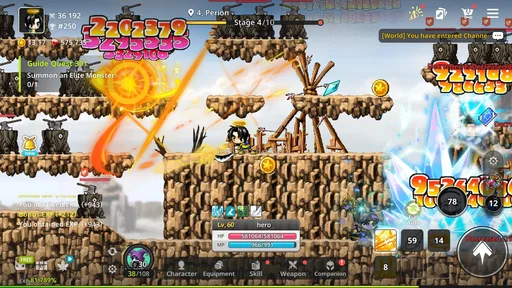
The gameplay itself is as straightforward as an idle RPG can get. Your character goes on adventures, battles monsters, and gathers loot, all with minimal effort from you. It’s a game that you can easily dive into during a quick break or let run in the background while you tackle other tasks. The auto-battle feature is a lifesaver, allowing you to level up and collect rewards without constantly tapping on your screen.
Leveling Up and Customization
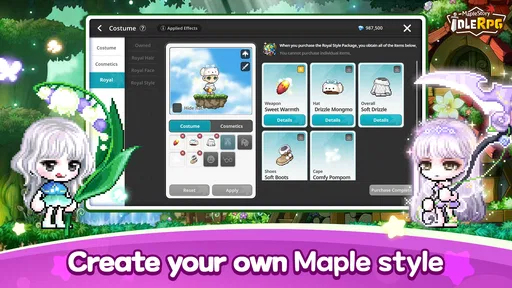
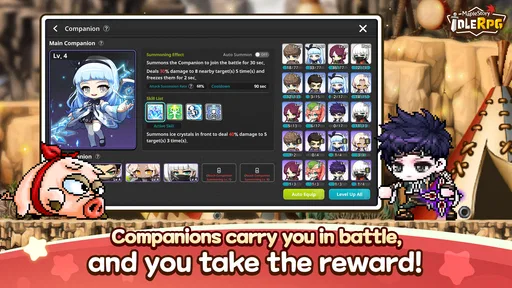
One of the aspects that kept me engaged was the level of customization available. You can choose different classes, each with unique abilities and strengths. As you progress, you unlock skills and gear that you can customize to suit your play style. It's all about strategizing how to power up your character efficiently.
What's particularly satisfying is the progression system. The game rewards you with consistent upgrades and achievements, creating a sense of accomplishment even when you're not actively playing. It’s like getting a little surprise gift every time you check back in.
Community and Social Features
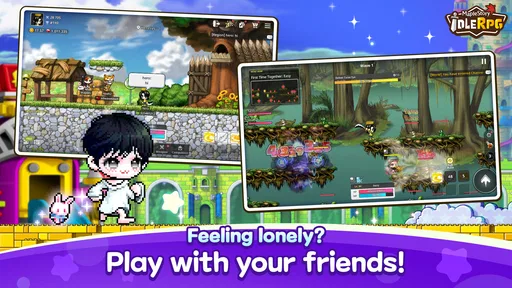
Another delightful aspect of MapleStory: Idle RPG is the community element. You can join guilds and team up with players from around the world in various events and challenges. These social features add a layer of depth to the game, making it more than just an idle tapper.
The developers have done a fantastic job of integrating events that keep the community buzzing. Whether it’s special quests or seasonal events, there’s always something new to look forward to.
A Few Hiccups
Of course, no game is without its quirks. The interface, while charming, can sometimes feel a bit cluttered, especially if you're new to idle RPGs. There’s a lot happening on the screen, and it might take a little time to get used to the navigation and various menus.
Also, like many free-to-play games, there are in-app purchases that can enhance your gameplay. While not necessary to enjoy the game, they can offer significant advantages to those willing to spend a little extra.
At the time I’m writing this, the game has a 4.1 average from around 75,000 ratings and more than 1,000,000 installs. NEXON Company released it on October 23, 2025, and the current version is 1.3.0 for Android 6.0 and up. It is rated Everyone 10+, which gives households a useful age reference, though I’d still decide based on the individual child and the way they handle screen time, online play, and purchase prompts. The review total is around 1,900, and the game is free to download.
For younger players, the colorful presentation may be an easy draw, while guilds and group activities introduce interaction with other players. I’d talk through sensible boundaries before play: when the device is available, whose account is being used, and when to stop. The age label is a starting point, not a substitute for a parent’s judgment or a conversation about online behavior. If a child is uncomfortable with social play or tends to feel pressured by progression and spending prompts, a fully offline game may be the calmer choice.
Small choices that make check-ins smoother
I find it helps to treat each visit as a short maintenance stop rather than trying to inspect every menu. First look at what has accumulated, then decide whether the next useful action is improving gear, choosing a skill, or simply returning later. That order keeps the interface from turning a quick check into aimless tapping. It also makes it easier to notice whether a decision actually improves the character instead of changing things just because a button is available.
When I’m deciding whether an idle game deserves a place in my routine, I also ask whether I enjoy the return loop itself: leave, come back, collect, adjust, repeat. Here, that loop is the main attraction, so the best use case is a player who likes gradual progress and small optimization choices. If the reward of an RPG for you is mastering a difficult fight in the moment, this format can feel hands-off rather than relaxing. I’d choose based on the kind of attention I want to give, not simply on whether the fantasy setting looks appealing.
What to expect from the long run
One practical question is whether the game still feels worthwhile when I have only a few minutes. Its automatic battles and accumulating rewards make brief visits viable, but the many menus can blunt that convenience until I learn where the useful decisions live. I’d give myself a little time to understand the interface before judging the pace. The game is easier to enjoy once I stop treating every notification or upgrade as something that must be handled immediately.
Another question is whether joining a guild is essential. The social layer can add shared goals and events, but I would not assume that every player wants the same level of commitment. Someone who prefers solo progression can focus on the character loop, while a player who enjoys coordinating with others may find the community side more motivating. If group obligations make a game feel like another task, staying casual is a sensible way to preserve the low-pressure appeal.
Where the friction shows
The biggest compromise is the balance between convenience and control. Auto-battle means I can make progress without constant input, but it also reduces the feeling that every encounter is a test of my decisions. Customization gives me things to think about between battles, yet the cluttered interface can make those choices harder to parse at first. I would not recommend it to someone who dislikes menu-heavy progression or wants a clean, one-screen experience.
There is also a difference between being able to play for free and never feeling tempted to spend. Optional purchases do not prevent a no-cost start, but players who are sensitive to paid shortcuts should decide on a personal spending limit before they begin. In a shared household, I’d keep that rule clear and avoid using purchases as a reward for routine play. The game is a better fit when its gradual progression is enjoyable on its own.
A fit for the right kind of household
MapleStory: Idle RPG is a free role-playing game from NEXON Company, and its familiar art, classes, equipment choices, and auto-battle structure give it a distinct place between a traditional MapleStory experience and a more demanding mobile RPG. It has a 4.1 average across around 75,000 ratings, with over 1 million installs. Those figures suggest broad interest, but they do not tell me whether its idle rhythm will suit a particular player; that comes down to whether check-in-based progress feels rewarding rather than thin.
For a household, I like it most as a clearly owned, casually shared conversation piece: one person manages a character, others can enjoy the look and talk about choices, and nobody assumes a shared screen means shared progress. I would skip it for a child who needs strict separation from online interaction or for an adult who wants active combat and little spending pressure. If the family is comfortable setting account and purchase boundaries, though, its gentle pace can fit around ordinary breaks without demanding the whole evening.
In conclusion, MapleStory: Idle RPG is a delightful blend of nostalgia and modern mobile gaming. It’s perfect for those who want to experience the charm of MapleStory without being tied to their screens. Whether you’re a longtime fan of the franchise or a newcomer, there’s plenty of fun to be had in this whimsical world. So, go ahead, give it a shot, and see where your idle adventures take you!
Pros
- Engaging storyline keeps players hooked.
- Vibrant
- colorful graphics enhance gameplay.
- Simple controls suitable for all ages.
- Frequent updates with new content.
- Social features for connecting with friends.
Cons
- Requires constant internet connection.
- In-app purchases can be costly.
- Progress can be slow without spending.
- Some bugs affect gameplay experience.
- Notifications can be overwhelming.
FAQs for MapleStory : Idle RPG
What is MapleStory: Idle RPG and how does it differ from the original MapleStory?
MapleStory: Idle RPG is a mobile adaptation of the classic MapleStory game, designed to provide an engaging idle gaming experience. Unlike the original, which requires active gameplay, this version allows players to progress even when they are not actively playing. It retains the iconic characters and world, offering a more relaxed, casual experience.
Are there in-app purchases in MapleStory: Idle RPG?
Yes, MapleStory: Idle RPG includes in-app purchases. Players can buy various items, such as cosmetics, boosts, and currency, to enhance their gameplay. While purchases can speed up progress and unlock exclusive content, they are not necessary to enjoy the game fully, as it offers a balanced free-to-play experience.
What devices are compatible with MapleStory: Idle RPG?
MapleStory: Idle RPG is available on both Android and iOS platforms. It requires a device running iOS 10.0 or later for Apple devices, and Android 5.0 or higher for Android devices. Ensure your device meets these requirements to enjoy a smooth gaming experience without performance issues.
How does progression work in MapleStory: Idle RPG?
Progression in MapleStory: Idle RPG is based on completing missions, leveling up characters, and acquiring better equipment. The idle mechanics allow your characters to continue battling and earning rewards even when you are offline. Players can also participate in events and challenges to gain additional experience and rewards.
Is an internet connection required to play MapleStory: Idle RPG?
An internet connection is required to play MapleStory: Idle RPG. This connection is necessary for accessing game updates, participating in online events, and syncing progress across devices. While some features may be available offline, the full experience, including social interactions, requires a stable internet connection.


